big / large
When talking about physical size, we use big for most cases. Large is a little more formal. Everyday: Elephants are big animals. In a textbook: Elephants are large mammals found in Africa and Asia.
In informal English, we use "large" for size when talking about clothes and drinks: I ordered a big coffee with milk. I ordered a large coffee with milk. Sizes for shirts, socks, and other clothing items are small, medium, and large. The word big is often used in collocations with a happening or event, for example: a big accomplishment a big decision a big disappointment a big failure a big improvement a big mistake a big surprise
The word large is often used in collocations involving numbers and measurements. a large amount a large collection a large number a large population a large proportion a large quantity a large scale
In informal English, we use "large" for size when talking about clothes and drinks:
The word large is often used in collocations involving numbers and measurements.

1. a / an / one
2. able / capable
3. accident / incident
4. accurate / exact / precise
5. ache / pain / hurt
6. actual / current / present
7. administrator / boss / manager
8. adverse / averse
9. advice / advise
10. affect / effect
11. afraid / scared / frightened
12. after / later
13. agenda / itinerary / schedule
14. ago / back / before
15. aid / assist / help
16. aim / goal / objective
17. alien / foreigner / stranger
18. alive / life / live
19. all / whole / every
20. all of / each of
21. all ready / already / all right / alright
22. allow / let / permit
23. allude / elude
24. almost / mostly / nearly
25. alone / lonely / only
26. already / yet
27. also / as well / too
28. altar / alter
29. although / though / even though
30. among / between
31. amoral / immoral
32. amount / number / quantity
33. ancient / antique
34. angry / upset
35. another / other / others
36. answer / reply / respond
37. any / some
38. apartment / flat / studio
39. apologize / sorry
40. apology / excuse
41. appraise / apprise
42. arrive / come / get / reach
43. as far as / as long as / as soon as
44. assure / ensure / insure
45. automobile / car / vehicle
46. await / wait / hope / expect
47. award / reward / prize
48. awkward / embarrassing
49. baggage / luggage
50. beach / coast / shore
51. beautiful / pretty
52. become / get / turn
53. been / gone
54. before / in front of / opposite / across from
55. beg / plead
56. begin / start
57. belong to / belong with / belong in
58. below / under / beneath / underneath
59. beside / besides
60. big / large
61. big / small / long / short / tall / huge / tiny
62. bill / invoice / receipt
63. blanket / comforter / quilt
64. borrow / lend / loan / owe
65. bother / disturb
66. bravery / courage
67. bring / take
68. bring up / grow up
69. Britain / England / the United Kingdom
70. broad / wide
71. by / until
72. can / could / able to
73. capital / capitol
74. carpet / mat / rug
75. ceiling / roof
76. chance / possibility / opportunity
77. change / switch
78. chauffeur / driver
79. city / downtown / town
80. classic / classical
81. clever / intelligent / smart
82. close / shut
83. close to / near / next to
84. cloth / clothes / clothing
85. collect / gather
86. come back / go back / get back
87. compliment / complement
88. concern / concerned / concerning
89. confident / confidant / confidence
90. continually / continuously
91. convince / persuade
92. could / should / would
93. council / counsel
94. critic / critical / criticism / critique
95. cure / treat / heal / recover
96. custom / habit
97. deadly / fatal / lethal
98. decent / descent / dissent
99. decline / deny / refuse / reject
100. defect / fault / flaw
101. definitely / definitively
102. delay / late / postpone
103. despite / in spite of
104. die / died / dead
105. difficult / hard
106. dilemma / quandary
107. dinner / supper / meal / snack
108. dirt / earth / soil
109. dirty / messy
110. disability / handicap / impairment
111. discover / find out / notice / realize
112. discreet / discrete
113. disease / illness
114. disinterested / uninterested
115. distinct / distinctive
116. do / make
117. dress / dressed / wear
118. during / while / meanwhile / meantime
119. e.g. / i.e.
120. early / soon
121. earn / gain / win
122. economic / economical
123. effective / efficient
124. either / neither
125. electric / electrical / electronic
126. empathy / sympathy
127. employees / staff
128. end / finish
129. enough / too
130. enquire / inquire
131. especially / specially
132. every day / everyday
133. ex- / former / previous
134. explore / exploit
135. extend / expand
136. famous / infamous
137. farther / further
138. fee / fare / tax
139. female / feminine / woman
140. few / little / less / fewer
141. fit / match / suit
142. floor / ground
143. for / since
144. forest / jungle / wood / woods
145. fun / funny
146. girl / lady / woman
147. good / well
148. good evening / good night
149. gratuity / tip
150. guarantee / warranty
151. gut / guts
152. hard / hardly
153. have / have got
154. have to / must / need to
155. haven't / don't have
156. hear / listen
157. hijack / kidnap
158. historic / historical
159. holiday / vacation
160. hope / wish
161. hopefully / thankfully
162. hostel / hotel / motel
163. house / home
164. how about...? / what about...?
165. human / humankind / human being / man / mankind
166. hundred / hundreds
167. I / my / me / mine / myself
168. I = subject
169. if / whether
170. If I was... / If I were...
171. ignore / neglect
172. ill / sick
173. impending / pending
174. imply / infer
175. in / into / inside / within
176. in / on / at
177. incite / insight
178. income / salary / wage
179. Indian / indigenous / Native American
180. inhabit / live / reside
181. intend / tend
182. interested / interesting
183. interfere / intervene
184. its / it's
185. job / work / career
186. just / only
187. kinds / types / sorts
188. know / meet
189. last / latest
190. last / past
191. late / lately
192. lay / lie
193. like / as
194. little / small
195. look / see / watch
196. lose / loose
197. lose / miss
198. made of / made from
199. marriage / married / wedding
200. may / might
201. moral / morale
202. Mr. / Mrs. / Ms. / Miss
203. music / song
204. nausea / nauseous / queasy
205. north / northern
206. notable / noticeable
207. ocean / sea / lake / pond
208. oppress / suppress / repress
209. overtake / take over
210. pass away / pass out
211. pass the time / spend time
212. peak / pique
213. persons / peoples
214. poison / venom
215. politics / policy
216. poor / pore / pour
217. pray / prey
218. principal / principle
219. problem / trouble
220. quiet / silent
221. raise / rise / arise
222. regard / regards / regardless
223. regretful / regrettable
224. relation / relationship
225. remember / remind / reminder
226. replace / substitute
227. resolve / solve
228. review / revise
229. rob / thief / steal
230. safety / security
231. sale / sell
232. say / tell / speak
233. scream / shout
234. sensible / sensitive
235. shade / shadow
236. so / such
237. so / very / a lot
238. some time / sometime / sometimes
239. stuff / things
240. such as / as such
241. suppose / supposed to
242. then / than
243. think about / think of
244. tide / waves
245. till / until
246. to / for
247. too / very
248. travel / trip / journey
249. United
250. wake / awake / sleep / asleep
251. wander / wonder
252. wary / weary
253. what / which
254. which / that
255. who / whom
256. will / would
257. worse / worst
258. year-old / years old
Mahashivratri Festival
Samudra Manthan
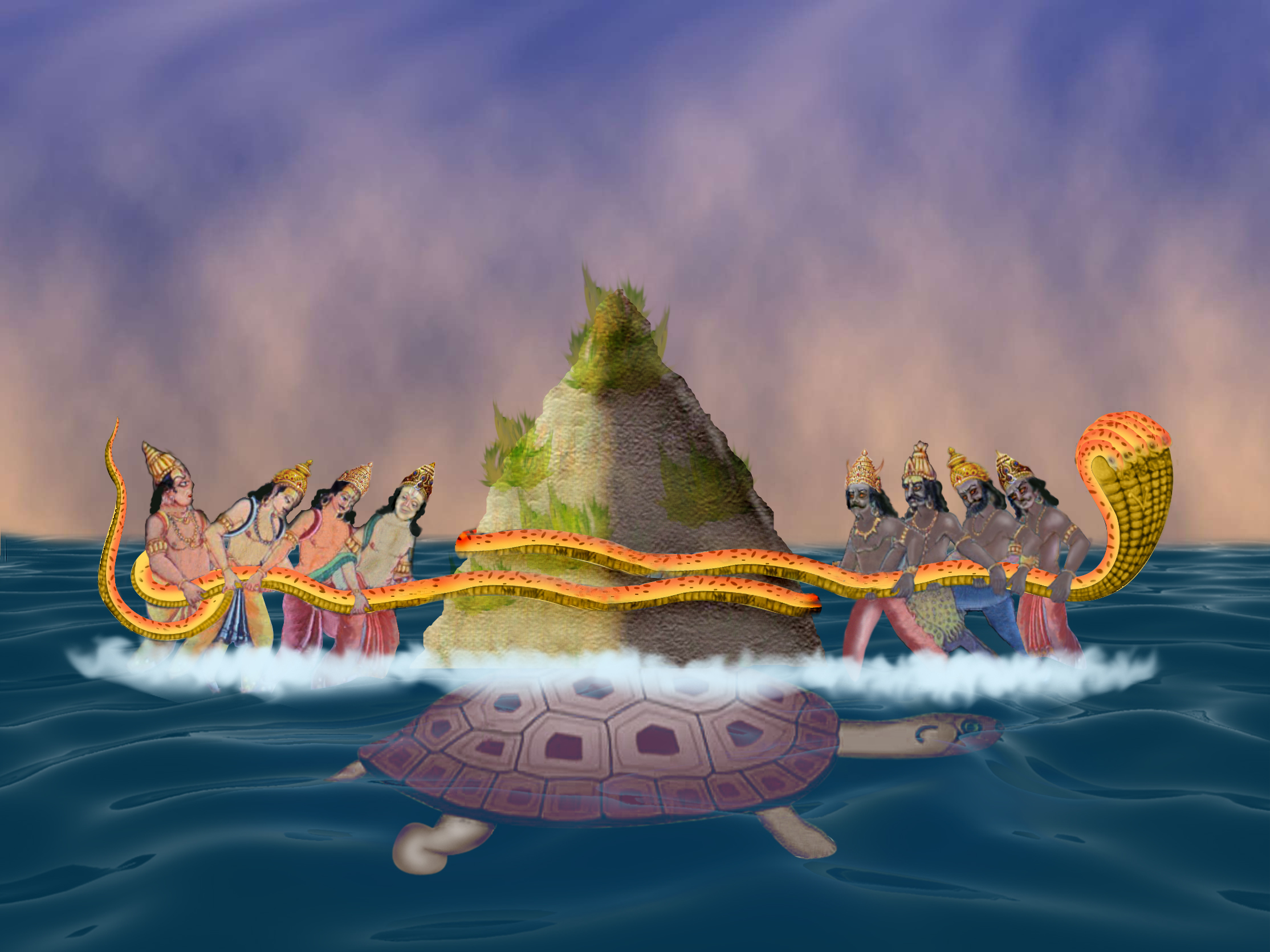
This very popular Shivaratri legend from Puranas explains why people stay awake all night on Shivaratri. Besides, it also tells us why Lord Shiva is also known as Neelakantha. Legend Behind Samudra Manthan Once Indra - the King of Gods, while riding on an elephant came across Durvasa Muni who offered him a special garland. Indra accepted the garland but put in on the trunk of the elephant. The elephant was irritated by the smell and it threw the garland on the floor. This enraged the sage as the garland was a dwelling of Sri (fortune) and was to be treated as prasada. Durvasa Muni cursed Indra and all devas to be bereft of all strength, energy, and fortune. In battles that followed this incident, devas were defeated and asuras (demons) led by Bali gained control of the universe. Devas sought help from Lord Vishnu who advised them to treat asuras in a diplomatic manner. Devas formed an alliance with asuras to jointly churn the ocean for the nectar of immortality and to share it among them. Lord Vishu told Devas that we would arrange that they alone obtain the nectar.The Churning of the Ocean The churning of the milk - ocean was an elaborate process. Mount Mandara was used as churning rod and Vasuki, the King of Serpents, became the churning rope. Lord Vishnu himself had to intercede in so many ways to aid the Devas. All kinds of herbs were cast into the ocean and many great beings and objects were produced from the ocean and were divided between asuras and gods. It is said that following things emerged from the Samudra Manthan Sura or Varuni - Goddess and creator of wine Apsaras - various divine nymphs Kaustubha - a rare diamond said to be the most valuable jewel in the world Uchhaishravas - the divine white horse Kalpavriksha - the wish-granting tree Kamadhenu - the wish fulfilling cow Airavata - the white elephant Lakshmi - the Goddess of Fortune and Wealth. Vishnu and Her were reunited after having been separated for many ages. Haalaa-Hala - the Poison During the Sagar Manthan by the gods and demons, haalaa-hala, a pot of poison also came out of the ocean. This terrified the Gods and demons as the poison was so toxic that it effects would have wiped out the entire creation. On the advice of Lord Vishnu, Gods approached Lord Shiva for help and protection as only he could swallow it without being affected. On the request of gods and out of compassion for living beings, Lord Shiva drank the poison. However, Parvati - Lord Shivas consort pressed his neck so that the poison does not reach his stomach. Thus, it stayed in his throat neither going up nor going down and Shiva remained unharmed. The poison was so potent that it changed the color of Lord Mahadevas neck to blue. For this reason, Lord Shiva is also called Neelakantha (the blue-necked one) where Neela means blue and Kantha means neck or throat. As part of the therapy, doctors advised gods to keep Lord Shiva awake during the night. Thus, Gods kept a vigil in contemplation of Lord Shiva. To amuse Shiva and to keep him awake, the gods took turn performing various dances and playing music. As the day broke out, Lord Shiva, pleased with their devotion blessed them all. Shivaratri is the celebration of this event by which Shiva saved the world. Since then, on this day and night - devotees fast, keep vigil, sing glories of Lord and meditate. Churning Out Divine Nectar At last, Dhanvantari - the Divine Physician appeared with a pot of Amrita (nectar of immortality) in his skilful hands. Fierce fighting ensued between devas and asuras for the nectar. To protect the nectar from asuras, devas hid the pot of nectar at four places on the earth - Prayag (Allahabad), Haridwar, Ujjain and Nasik. At each of these places, a drop of the nectar spilled from the pot and since then, it is believed that these places acquired mystical power. Grand Kumbh Mela is celebrated at the four places after every 12 year for this reason. Eventually, Lord Vishnu took the form of a beautiful woman, Mohini. While her beauty bewildered the asuras, Mohini seized the nectar and returned it to the Devas, who drank it immediately.