Test # 1231 [13-Nov-2020]
Login/Register to access massive collection of FREE questions and answers.
Login/Register
Login/Register
Test Index
1201 [14-Oct-2020]
1202
1203
1204
1205
1206
1207
1208
1209
1210
1211
1212
1213
1214
1215
1216 [29-Oct-2020]
1217
1218
1219
1220
1221
1222
1223
1224
1225
1226
1227
1228
1229
1230
1231 [13-Nov-2020]
1232
1233
1234
1235
1236
1237
1238
1239
1240
1241
1242
1243
1244
1245
1246 [28-Nov-2020]
1247
1248
1249
1250
SuperFood
Artichokes
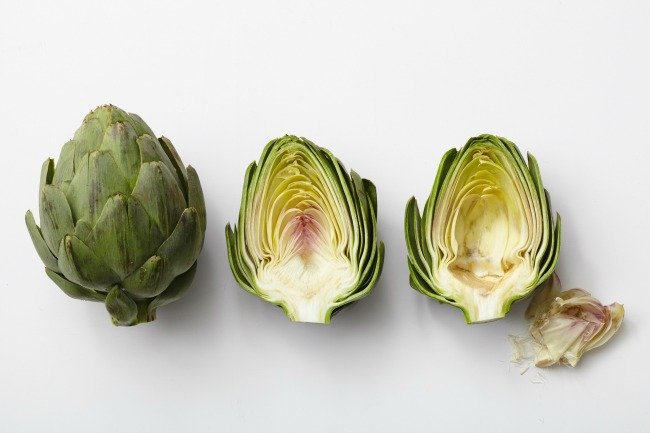
Before the health Benefits of the Mediterranean diet were well-known, there was probably no single food more emblematic of Mediterranean cuisine than the globe artichoke. And indeed, artichokes contain fructans, such as inulin; cynarin, which appears to help lower cholesterol and protect liver cells; and luteolin, an antioxidant that may also be involved in healthy carbohydrate metabolism.The edible part of the artichoke is the flower bud. The feathery part known as the �choke� is the immature flower. If it is allowed to bloom, the flower resembles a thistle, with a purple feathery top. Artichoke hearts are well worth the effort of nibbling away the leaves and peeling back the choke, for they are very rich in antioxidants.
A cup of artichoke hearts has as high an Oxygen Radical Absorption Capacity (ORAC) rating as a cup of blackberries.
Artichokes are a good source of the minerals magnesium, chromium, manganese, and potassium, as well as vitamins A and C, folic acid, niacin, riboflavin, thiamine, and biotin. They also provide dietary fiber.
Nutritional Facts :
One medium boiled artichoke provides 150 calories, 33.5 g carbohydrate, 10.4 g protein, 0.5 g fat, 16.2 g dietary fiber, 531 IU vitamin A, 30 mg vitamin C, 3 mg niacin, 153 mcg folic acid, 1062 mg potassium, 285 mg sodium, 258 mg phosphorus, 135 mg calcium, 3.87 mg iron, 180 mg magnesium, and 1.47 mg zinc.